
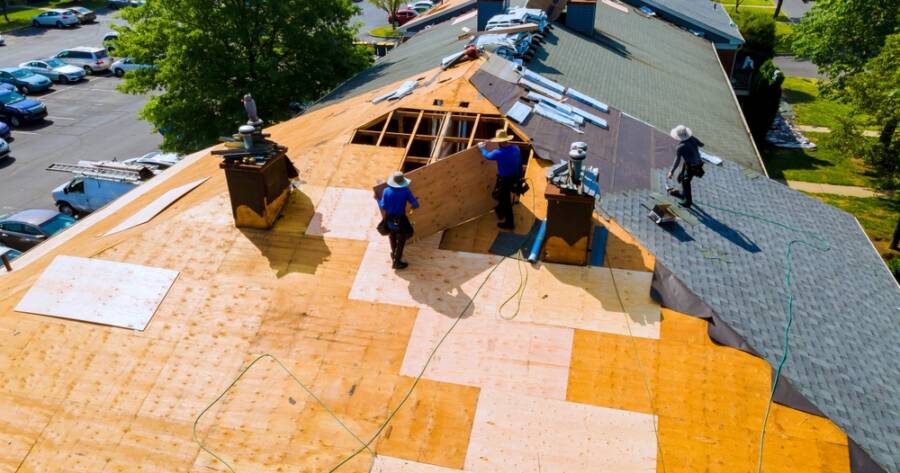
Roof replacements offer more than just a fresh look; they present substantial financial benefits by preventing costly repairs and enhancing energy efficiency. A new roof can increase home value, provide significant energy savings, and ensure long-term durability. Understand how choosing the right materials and maintenance strategies can maximize the advantages for homeowners.
The Financial Benefits of Roof Replacements
Replacing a roof is often seen as a significant investment, but it can lead to substantial long-term financial savings. One of the primary ways a new roof saves money is by preventing costly repairs associated with a failing roof, such as water damage and mold growth. Addressing these issues promptly can protect the value of a home and avoid expensive repairs.
Additionally, a new roof can significantly improve a home’s energy efficiency. Proper insulation and ventilation reduce the strain on HVAC systems, leading to lower energy bills and a reduced carbon footprint.
Enhancing Home Value
A new roof can also increase a home’s value, offering a return on investment (ROI) of 60-68% for asphalt shingle roofs. This means that a $20,000 investment in a new roof could potentially increase the home’s value by $12,000-$13,600.
The choice of roofing material greatly influences the ROI. While asphalt shingles are cost-effective, metal and slate roofs, though more expensive, offer higher durability and energy efficiency, which can lead to long-term savings. In competitive real estate markets, a new roof can be a significant selling point, improving first impressions and potentially increasing the sale price.
Energy Efficiency and Cost Savings
Improved energy efficiency is another key benefit of roof replacements. New roofing materials with advanced thermal resistance improve insulation, stabilize indoor temperatures, and reduce the strain on HVAC systems, leading to lower utility bills.
Increasing the reflectivity of roofing materials, such as using asphalt shingles, can help reduce heat absorption, keeping homes naturally cooler and reducing the need for air conditioning. Upgrading to energy-efficient underlayment during a roof replacement adds an extra layer of insulation, further enhancing overall energy efficiency.
Choosing the Right Roofing Material
Choosing the right roofing material is crucial for long-term savings. High-quality materials can extend the lifespan of a roof and improve energy efficiency.
It’s important to compare costs, lifespans, and maintenance requirements of different materials to make an informed decision. Climate considerations are also important when selecting roofing materials, as certain materials perform better in specific weather conditions, enhancing durability and energy efficiency.
Maintenance and Longevity
Regular maintenance, including inspections and minor repairs, is essential to extend the life of a new roof. Proper care can prevent major issues and ensure the roof continues to provide financial benefits over time.
Investing in a new roof with high-quality materials and professional installation can result in a roof that lasts for decades with minimal maintenance, reducing the need for frequent repairs and saving money on maintenance costs over the long term.
Why You Should Learn More About Roof Replacements
Understanding the financial and practical benefits of roof replacements can help homeowners make informed decisions about their property investments. A new roof not only enhances a home’s value and curb appeal but also offers significant energy savings and protection against costly repairs.
By choosing the right materials and ensuring proper installation and maintenance, homeowners can enjoy long-term savings and contribute to a more sustainable environment. Exploring the various options and benefits of roof replacements can provide valuable insights into maximizing property value and efficiency.